Joint deterioration can be a major source of pain, weakness, and limited mobility.
A joint replacement surgery involves replacing the damaged joint with an artificial one designed to improve function and reduce pain. This procedure helps relieve discomfort and restores mobility, allowing patients to regain greater freedom in their daily lives.
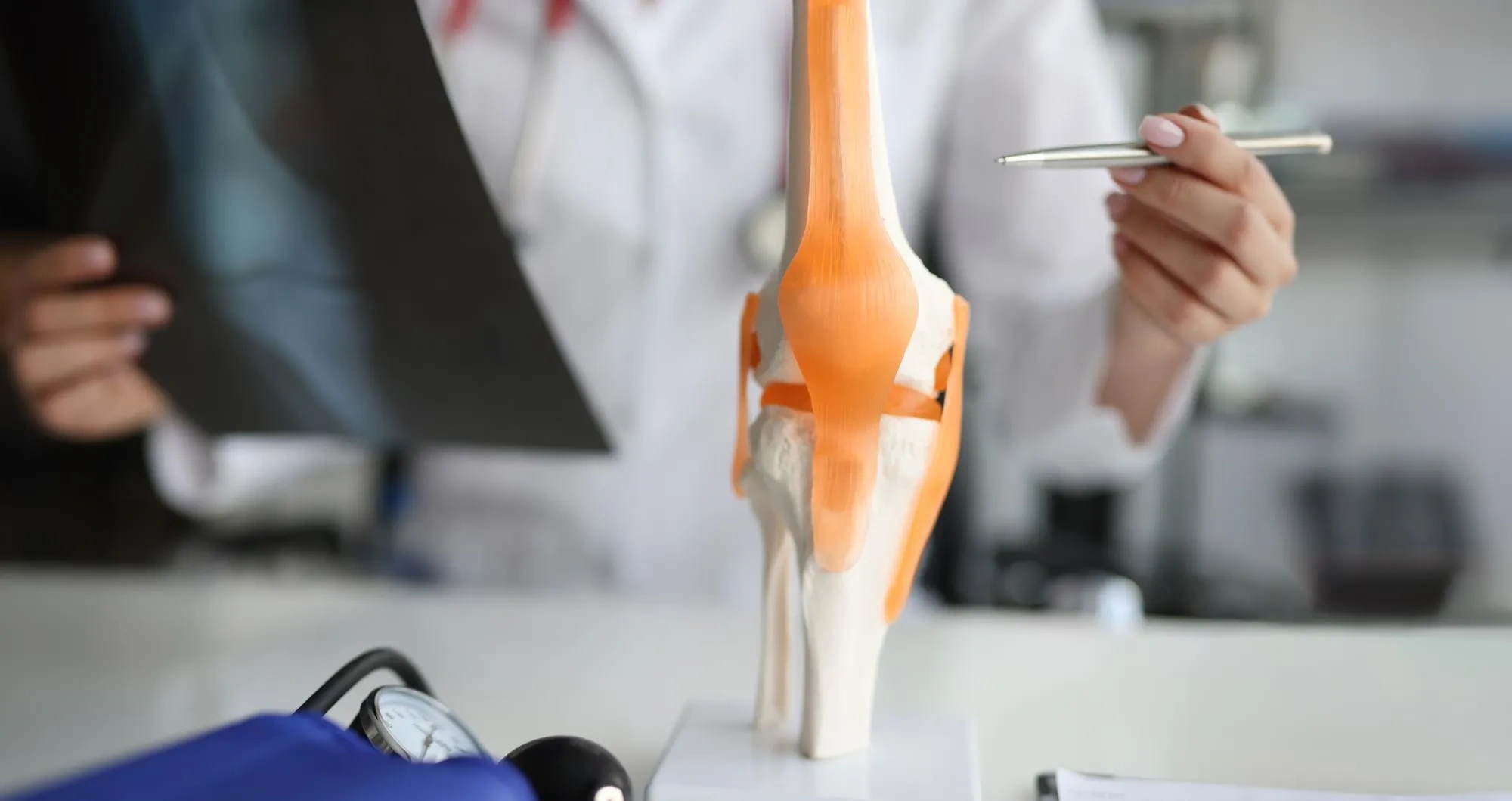
Joint replacement surgery involves replacing the damaged joint with an artificial one designed to improve joint function and reduce pain. This can help relieve the patient and restore freedom of movement.
Due to complications of sickle cell anemia, some patients require joint replacement surgeries to enhance their quality of life and reduce painful crises. However, long waiting lists in hospitals can cause joint damage to progress, severely impacting daily activities.


This surgery is a vital step toward alleviating the chronic pain and strain caused by damaged joints. It reduces pain-related complications, helping patients feel more comfortable and improving their overall well-being.

Patients can regain their ability to perform daily tasks with greater ease and comfort, free from the pain and limitations they once faced. This renewed independence empowers them to face everyday challenges with confidence.